

Table of Contents
Responsive web design helps websites automatically adjust their layout, images, and content according to different screen sizes. Its major benefits include better user experience, improved SEO rankings, faster website maintenance, higher conversions, and compatibility across mobile devices.
Key Takeaways
- Responsive design improves mobile user experience.
- Google prefers mobile-friendly websites.
- One responsive website is easier to manage than multiple versions.
- Better UX can increase engagement and conversions.
- Responsive websites support long-term growth.
What is Responsive Web Design?
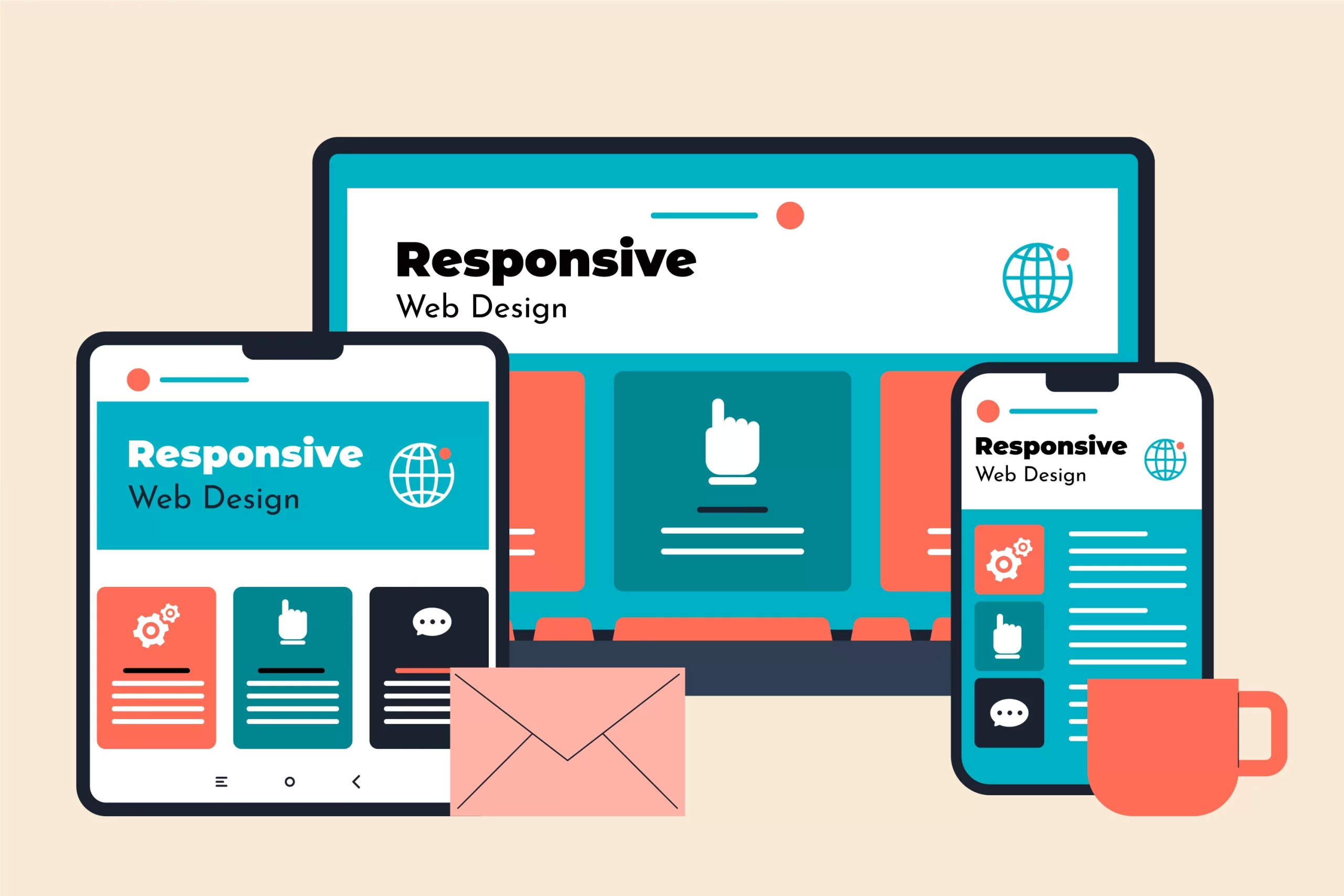
Responsive web design is an approach where a website automatically adjusts its layout, images, and elements according to the user’s device screen size.
Whether visitors open a website on:
- Desktop
- Laptop
- Tablet
- Smartphone
the website provides an optimized viewing experience without requiring separate versions.
A responsive website uses:
- Flexible layouts
- Responsive images
- CSS media queries
- Mobile-first design principles
Why Responsive Web Design is Important?
Today, most internet users access websites through smartphones. If a website does not work properly on mobile devices, users may leave quickly.
A responsive website helps businesses:
- Reach more mobile users
- Improve customer experience
- Increase website engagement
- Build trust
- Improve search visibility
Top Benefits of Responsive Web Design
1. Better User Experience (UX)
The biggest advantage of responsive web design is improved user experience.
Visitors can easily:
- Read content
- Navigate menus
- Click buttons
- Complete forms
without zooming or scrolling horizontally.
A better user experience increases the chances that visitors stay longer and interact with your website.
2. Improved SEO Rankings
Responsive design directly supports SEO performance.
Google recommends mobile-friendly websites because search engines want to provide users with the best experience.
Benefits include:
| SEO Factor | Responsive Design Impact |
|---|---|
| Mobile Usability | Improved |
| Page Experience | Better |
| Duplicate Content Issues | Reduced |
| Website Management | Easier |
| Crawling Efficiency | Improved |
A single responsive website allows search engines to understand and index your content more effectively.
3. Higher Conversion Rates
A website is not only about traffic; it should generate results.
Responsive design improves conversions by making it easier for users to:
- Buy products
- Contact businesses
- Submit forms
- Subscribe to services
Example:
A customer visiting an online store from mobile should be able to complete checkout easily. A poor mobile experience can cause abandoned purchases.
4. Faster Website Loading Performance
Responsive websites are usually optimized for better performance.
Benefits:
- Optimized images
- Cleaner code
- Better mobile experience
- Improved Core Web Vitals
Fast websites provide better user satisfaction and can support SEO growth.
5. Cost Effective Website Maintenance
Before responsive design, businesses often created:
- Desktop website
- Mobile website
This required extra maintenance.
With responsive design:
- One website
- One content system
- One SEO strategy
This saves time and development costs.
6. Better Mobile Compatibility
New devices are released regularly with different screen sizes.
Responsive design automatically adjusts to:
- Smartphones
- Tablets
- Foldable devices
- Future screen sizes
This makes your website future-ready.
7. Lower Bounce Rate
Users leave websites when:
- Text is difficult to read
- Buttons are too small
- Pages do not load properly
Responsive design removes these problems and encourages visitors to explore more pages.
Responsive Web Design Benefits for SEO
| SEO Area | Benefit |
|---|---|
| Mobile Optimization | Better rankings |
| User Experience | Higher engagement |
| Page Speed | Better performance |
| Website Structure | Easier crawling |
| Content Management | Simple optimization |
Google introduced mobile-first indexing, meaning the mobile version of a website plays an important role in ranking evaluation.
Responsive Design vs Adaptive Design
| Responsive Design | Adaptive Design |
|---|---|
| One flexible layout | Multiple fixed layouts |
| Adjusts automatically | Uses specific screen versions |
| Easier maintenance | Requires more management |
| Better long-term solution | Limited flexibility |
For most modern websites, responsive design is the preferred approach.
Common Responsive Web Design Mistakes
1. Ignoring Mobile Testing
A website should be tested on different devices.
2. Using Large Unoptimized Images
Heavy images slow down mobile performance.
3. Small Buttons and Poor Navigation
Mobile users need easy interaction.
4. Not Considering Page Speed
Responsive design should also focus on performance.
Expert Tips for Better Responsive Design
- Follow mobile-first design principles.
- Optimize images before uploading.
- Use readable typography.
- Keep navigation simple.
- Test website performance regularly.
- Monitor Core Web Vitals.
Conclusion
Responsive web design is no longer optional for modern websites. It helps businesses provide a better experience, improve SEO visibility, increase conversions, and prepare their websites for future devices.
A responsive website is an investment that supports long-term online growth.
FAQs (People Also Ask Optimized)
What are the main benefits of responsive web design?
The main benefits include improved user experience, better SEO rankings, higher conversions, easier maintenance, and mobile compatibility.
Is responsive web design important for SEO?
Yes. Responsive design helps improve mobile usability and supports better search engine performance.
Does responsive design improve website speed?
A properly optimized responsive website can improve loading speed by using optimized layouts and resources.
What is the difference between responsive and mobile-friendly websites?
A mobile-friendly website works on mobile devices, while responsive design automatically adapts to different screen sizes.