

Table of Contents
Featured Snippet Answer
Cloud migration benefits include reduced IT costs, improved scalability, enhanced security, better performance, faster innovation, and increased business flexibility. By moving workloads to cloud platforms, businesses can optimize operations, improve disaster recovery, and achieve long-term growth.
Key Takeaways
- Cloud migration helps businesses reduce infrastructure and maintenance costs.
- Companies gain better scalability and flexibility with cloud resources.
- Cloud platforms improve security, backup, and disaster recovery.
- Cloud adoption enables faster innovation and digital transformation.
- Businesses can achieve better ROI through optimized cloud usage.
Businesses today are moving away from traditional IT infrastructure and adopting cloud technology to improve efficiency, reduce expenses, and stay competitive.
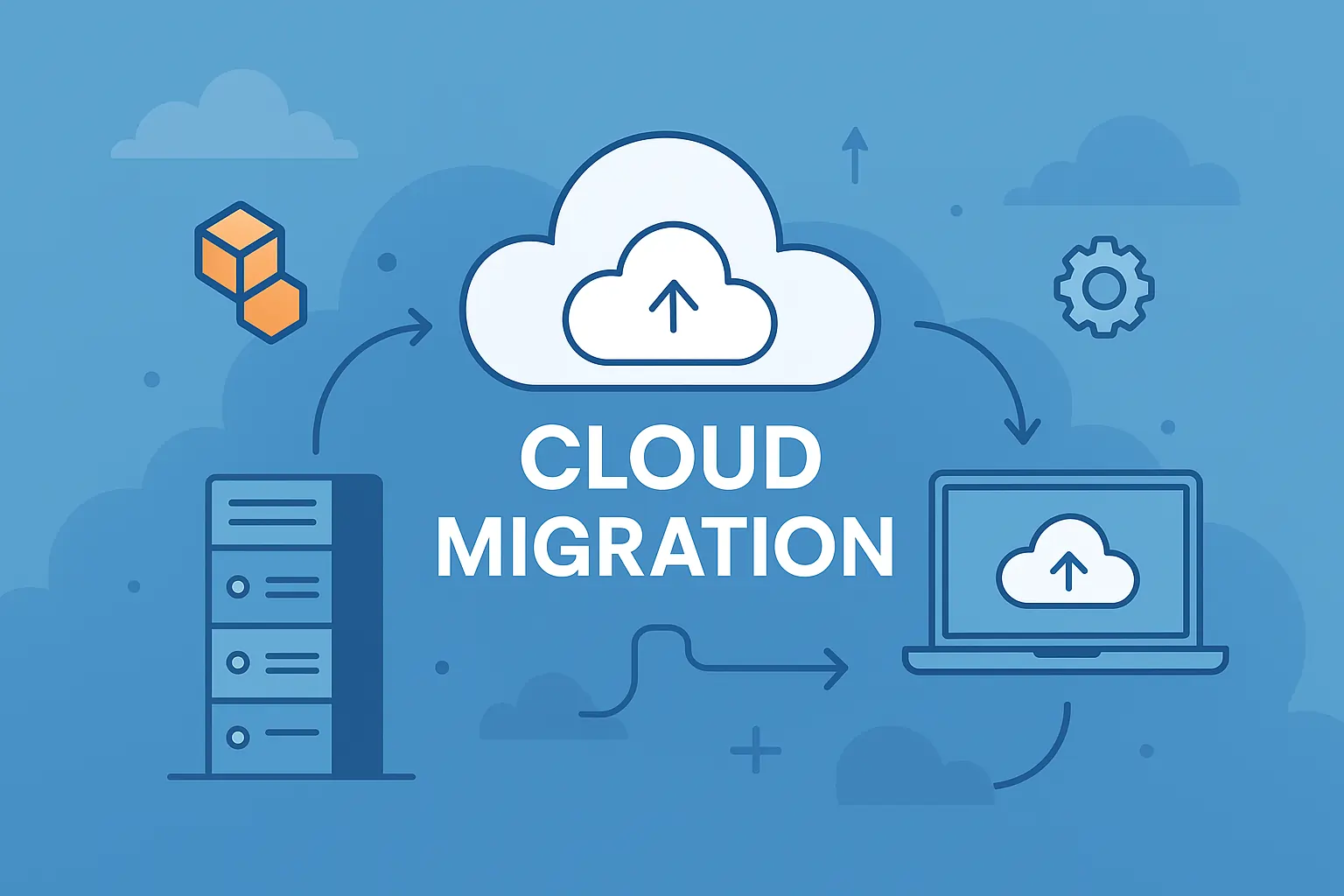
Cloud migration is the process of moving applications, databases, servers, and business data from on-premises systems to cloud platforms such as AWS, Microsoft Azure, and Google Cloud.
The growing adoption of cloud computing is driven by the need for faster operations, better security, scalability, and cost control.
Understanding the cloud migration benefits helps organizations make better technology decisions and build a future-ready digital infrastructure.
What Is Cloud Migration?
Cloud migration refers to the process of transferring digital assets, including applications, data, and workloads, from local servers to cloud environments.
Companies can choose different migration approaches:
- Rehosting (Lift and Shift): Moving applications without major changes.
- Replatforming: Optimizing applications during migration.
- Refactoring: Completely redesigning applications for cloud-native environments.
- Hybrid Migration: Combining cloud and on-premises infrastructure.
What Are the Benefits of Cloud Migration?
1. Reduced IT Infrastructure Costs
One of the biggest benefits of cloud migration is cost reduction.
Traditional infrastructure requires companies to invest heavily in:
- Physical servers
- Hardware maintenance
- Data centers
- IT support
- Software upgrades
Cloud computing replaces large upfront investments with flexible pay-as-you-use pricing models.
Businesses only pay for the resources they need, helping reduce unnecessary expenses.
2. Financial Benefits of Cloud Migration
The financial benefits of cloud migration are among the main reasons companies move to cloud platforms.
Lower Hardware Costs
Organizations no longer need to purchase expensive servers and networking equipment.
Reduced Maintenance Expenses
Cloud providers manage infrastructure updates, security patches, and hardware maintenance.
Better Resource Optimization
Cloud environments allow businesses to increase or decrease resources based on demand, preventing wasted spending.
Improved Return on Investment (ROI)
By reducing operational expenses and improving productivity, cloud migration can deliver long-term financial value.
Financial Benefits Comparison Table
| Traditional Infrastructure | Cloud Infrastructure |
|---|---|
| High upfront hardware investment | Flexible subscription-based pricing |
| Manual maintenance required | Provider-managed maintenance |
| Fixed capacity limitations | Automatic scalability |
| Higher operational costs | Optimized resource spending |
3. Improved Scalability and Flexibility
Business requirements constantly change.
Cloud migration allows organizations to quickly scale computing resources according to demand.
For example:
- An e-commerce website can increase resources during holiday sales.
- A growing startup can expand without purchasing additional servers.
- Enterprises can launch new services faster.
This flexibility improves business agility and operational efficiency.
4. Enhanced Data Security
Many businesses believe traditional servers are more secure, but modern cloud platforms provide advanced security features.
Cloud security benefits include:
- Data encryption
- Identity management
- Security monitoring
- Automated updates
- Access controls
Leading cloud providers invest heavily in security technologies to protect customer data.
5. Better Disaster Recovery and Backup
Data loss can seriously impact business operations.
Cloud migration improves disaster recovery through:
- Automated backups
- Data replication
- Faster recovery processes
- Multiple availability regions
Companies can maintain business continuity even during unexpected failures.
6. Improved Performance and Reliability
Cloud platforms provide reliable infrastructure with high availability.
Benefits include:
- Faster application performance
- Reduced downtime
- Global data centers
- Improved user experience
Businesses can deliver better services to customers without worrying about infrastructure limitations.
7. Faster Innovation and Digital Transformation
Cloud migration helps businesses adopt modern technologies such as:
- Artificial intelligence
- Machine learning
- Big data analytics
- Automation
- Internet of Things (IoT)
Cloud infrastructure allows companies to experiment, develop, and launch new solutions faster.
8. Supports Remote Work
Modern businesses require flexible working environments.
Cloud-based applications allow employees to access:
- Files
- Applications
- Business systems
- Data
from anywhere with an internet connection.
This improves collaboration and productivity.
Cloud Migration Benefits Comparison
| Benefit | Business Impact |
| Cost Optimization | Lower operational expenses |
| Scalability | Faster growth support |
| Security | Better data protection |
| Reliability | Reduced downtime |
| Flexibility | Remote access and collaboration |
| Innovation | Faster technology adoption |
Cloud Migration Benefits for Different Industries
Healthcare
- Secure patient data management
- Improved accessibility
- Better healthcare applications
E-commerce
- Handle traffic spikes
- Improve customer experience
- Faster website performance
Finance
- Better security controls
- Advanced analytics
- Regulatory compliance support
Education
- Online learning platforms
- Cloud-based collaboration tools
Common Cloud Migration Mistakes
1. Poor Migration Planning
Moving workloads without proper analysis can create performance issues.
2. Ignoring Security Requirements
Businesses should implement proper identity and access management.
3. Not Optimizing Cloud Resources
Unused cloud resources can increase costs.
4. Lack of Employee Training
Teams need proper knowledge to manage cloud environments effectively.
Expert Tips for Successful Cloud Migration
- Start with a clear migration strategy.
- Analyze existing infrastructure before moving.
- Select the right cloud provider.
- Monitor cloud spending regularly.
- Implement security best practices.
- Train employees on cloud technologies.
Conclusion
Cloud migration has become an important strategy for businesses looking to improve efficiency, reduce costs, and prepare for future growth.
The major cloud migration benefits include financial savings, scalability, improved security, disaster recovery, and faster innovation.
Organizations that adopt cloud technology with proper planning can create a flexible, secure, and cost-effective digital infrastructure.
Frequently Asked Questions (FAQs)
What are the main benefits of cloud migration?
The main cloud migration benefits include cost savings, scalability, improved security, better performance, disaster recovery, and faster innovation.
What are the financial benefits of cloud migration?
Financial benefits of cloud migration include reduced hardware expenses, lower maintenance costs, optimized resource usage, and improved ROI.
Is cloud migration suitable for small businesses?
Yes. Small businesses can benefit from cloud migration because it reduces infrastructure costs and provides enterprise-level technology without large investments.
How does cloud migration improve security?
Cloud platforms provide encryption, monitoring tools, access controls, and automated security updates to protect business data.
How long does cloud migration take?
Migration time depends on workload size, application complexity, data volume, and migration strategy.
CTA
Ready to unlock the benefits of cloud migration for your business?
Start planning your cloud transformation strategy today and build a faster, more scalable, and secure technology environment.