

Table of Contents
Introduction
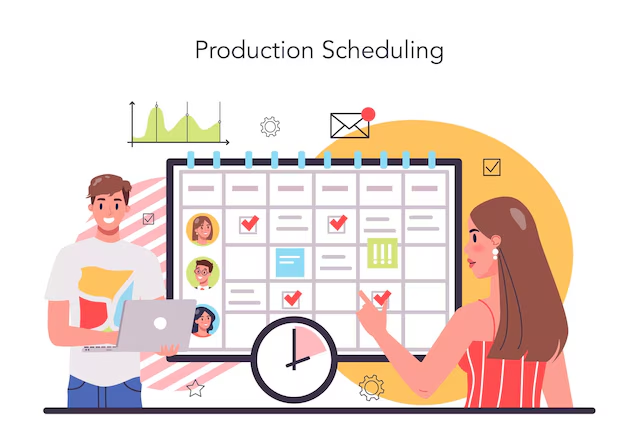
Production scheduling software is a powerful tool that helps businesses plan, organize, and manage manufacturing operations efficiently. It enables companies to allocate resources, schedule tasks, and monitor production timelines in real time. By integrating production planning and scheduling, businesses can reduce downtime, optimize workflow, and meet delivery deadlines with greater accuracy. Modern scheduling solutions often include automation, forecasting, and integration with ERP systems, making them essential for both large-scale manufacturers and small businesses. With the right production scheduling tools, companies can boost productivity, improve cost efficiency, and stay competitive in today’s fast-paced manufacturing industry.
How Scheduling Impacts Manufacturing Efficiency
Effective production scheduling plays a crucial role in enhancing manufacturing efficiency by ensuring that every step of the production process is well-organized and optimized. A well-structured schedule aligns resources such as labor, machinery, and materials with production demands, minimizing downtime and bottlenecks. This ensures that tasks are executed in the correct sequence and within set timeframes, leading to consistent output quality and faster turnaround times. By having clear visibility into workloads and timelines, manufacturers can prevent overproduction, reduce idle time, and maximize resource utilization.
In addition, efficient scheduling improves communication and coordination across different departments, from procurement to delivery. It allows managers to anticipate potential disruptions, adjust workflows in real time, and maintain flexibility when urgent orders or unexpected delays arise. Advanced production scheduling software also incorporates analytics and forecasting tools, enabling data-driven decisions that optimize capacity and reduce operational costs. Ultimately, effective scheduling is not just about assigning tasks—it’s about creating a streamlined, responsive, and cost-efficient manufacturing process that drives productivity and customer satisfaction.
What is Production Planning and Scheduling
Production planning and scheduling are two interconnected processes that ensure manufacturing operations run smoothly from start to finish. Production planning focuses on determining what products need to be made, the resources required, and the timeline for completion. It involves forecasting demand, setting production goals, and organizing resources like materials, machinery, and labor. The primary objective is to create a roadmap that aligns manufacturing capacity with customer demand while minimizing waste and costs.
Production scheduling, on the other hand, is the detailed execution of that plan. It determines the exact sequence of tasks, allocates resources in real time, and assigns deadlines for each production stage. While planning provides the strategy, scheduling delivers the tactical steps needed to achieve it. Modern production planning and scheduling software integrates both processes, enabling manufacturers to adapt quickly to changes, optimize resource usage, and maintain on-time deliveries. Together, these functions ensure efficient operations, reduce downtime, and improve overall productivity in manufacturing.
Difference Between Production Planning & Production Scheduling
Production planning and production scheduling are closely related but serve distinct purposes in the manufacturing process. Production planning is the strategic phase where manufacturers decide what to produce, how much to produce, and when production should take place. It involves demand forecasting, resource allocation, and determining the overall workflow to meet customer requirements. Planning sets the foundation by aligning production capacity with market demand, ensuring resources such as labor, materials, and machinery are available before work begins.
Production scheduling, in contrast, is the operational phase that focuses on how and when each task will be executed. It breaks the production plan into specific timelines, assigning jobs to machines and workers in the most efficient order. Scheduling ensures smooth workflow by preventing bottlenecks, reducing idle time, and adapting to real-time changes such as equipment breakdowns or urgent orders. While production planning looks at the big picture and long-term goals, production scheduling manages the day-to-day execution, ensuring that deadlines are met and production efficiency is maximized. Together, they form the backbone of effective manufacturing management.
Benefits of Using Production Scheduling Software
Implementing production scheduling software can transform the way manufacturers manage their operations, offering better control, efficiency, and profitability. Below are the key benefits explained under seven focused headings.
1. Improved Resource Allocation
Production scheduling software ensures that labor, machinery, and raw materials are allocated optimally. By analyzing current workloads and resource availability, it prevents overloading certain machines while others remain idle. This balanced approach leads to higher productivity and minimizes wasted capacity.
2. Reduced Downtime and Bottlenecks
One of the most valuable benefits of production scheduling software is its ability to detect and prevent bottlenecks before they disrupt operations. Real-time monitoring allows managers to adjust schedules quickly, ensuring smooth workflows and minimizing downtime due to maintenance, equipment issues, or material shortages.
3. Enhanced On Time Delivery
Meeting delivery deadlines is critical in manufacturing. With production scheduling software, managers can create accurate timelines and track progress against those schedules. This leads to improved customer satisfaction as orders are fulfilled consistently on time.
4. Real Time Visibility and Control
Modern production scheduling software provides real-time dashboards that show the status of every job in the production process. This visibility allows decision-makers to respond quickly to unexpected changes, ensuring schedules remain accurate and production stays on track.
5. Cost Savings and Waste Reduction
By optimizing production schedules and preventing inefficiencies, production scheduling software reduces material waste, excess labor costs, and energy consumption. Better planning also minimizes the risk of overproduction, helping companies save significantly in the long run.
6. Seamless Integration with Other Systems
Many production scheduling software solutions integrate with ERP, inventory management, and procurement systems. This connectivity allows data to flow across departments, improving collaboration and ensuring that scheduling decisions are based on accurate, up-to-date information.
7. Scalability for Business Growth
As a business grows, manual scheduling becomes increasingly complex and error-prone. Production scheduling software can easily handle larger workloads, more complex product lines, and multi-site operations, making it a scalable solution for expanding manufacturers.
Types of Production Scheduling Tools
Production scheduling software comes in different types, each designed to meet specific industry needs and operational requirements. Choosing the right tool depends on factors like company size, manufacturing complexity, and integration needs. Below are the six main types of production scheduling tools and how they help optimize manufacturing efficiency.
1. Manual and Spreadsheet Based Scheduling Tools
While not the most advanced option, manual and spreadsheet-based scheduling tools are still used by small businesses with simple workflows. These tools allow managers to track schedules using Excel or similar programs. However, they lack automation and real-time updates, which makes them less efficient compared to modern production scheduling software.
2. Desktop Based Production Scheduling Software
Desktop-based scheduling tools are installed locally on company computers. They offer robust features such as drag-and-drop job scheduling, capacity planning, and reporting. These tools are ideal for businesses that prefer in-house control of their scheduling data but may lack the flexibility and mobility of cloud-based solutions.
3. Cloud Based Production Scheduling Software
Cloud-based production scheduling software offers anytime, anywhere access through the internet. This type allows real-time collaboration among teams across multiple locations, with automatic updates and secure data storage. It’s highly scalable and perfect for businesses aiming for flexibility and remote accessibility.
4. Industry Specific Scheduling Tools
Some production scheduling software is designed specifically for certain industries, such as automotive, food processing, textiles, or electronics manufacturing. These tools come with specialized features like compliance tracking, batch scheduling, or temperature-controlled inventory management, making them highly tailored for niche needs.
5. AI Driven and Optimization Focused Scheduling Tools
Advanced production scheduling software now uses artificial intelligence (AI) and machine learning to optimize production sequences automatically. These tools analyze large amounts of data, predict delays, and adjust schedules in real time to improve efficiency and reduce operational costs.
6. Integrated ERP Scheduling Modules
Many ERP (Enterprise Resource Planning) systems include built-in production scheduling modules. This type of production scheduling software allows seamless integration with other business functions like procurement, inventory, and sales, ensuring all departments work from a unified data source for better decision-making.
Production Scheduling in Manufacturing
Production scheduling in manufacturing is a critical process that ensures resources, time, and workflows are organized to meet production goals efficiently. With the right production scheduling software, manufacturers can streamline operations, reduce waste, and deliver products on time. Below are the key aspects of how scheduling impacts manufacturing success.
1. Role of Production Scheduling in Manufacturing
Production scheduling in manufacturing defines when and how each production task will be executed. It aligns resources, labor, and equipment availability with production requirements, ensuring smooth workflows and consistent output quality.
2. Importance of Accurate Scheduling
Accurate scheduling prevents delays, minimizes downtime, and ensures customer orders are completed on time. Production scheduling software helps create precise timelines that adapt to changing demands or unexpected disruptions in the manufacturing process.
3. Integration with Production Planning
Scheduling is closely tied to planning. While production planning outlines what needs to be made, scheduling focuses on how and when it will be done. Modern production scheduling software integrates both, enabling manufacturers to manage operations seamlessly from planning to execution.
4. Reducing Bottlenecks and Idle Time
Bottlenecks slow down production and reduce efficiency. With production scheduling software, manufacturers can detect workflow issues in real time, redistribute tasks, and prevent idle time that can lead to missed deadlines.
5. Enhancing Resource Utilization
Manufacturing efficiency depends on optimal use of resources like raw materials, machinery, and labor. Scheduling software ensures these resources are allocated where they’re needed most, reducing waste and improving productivity.
6. Industry Applications of Production Scheduling Software
Production scheduling software is used across various manufacturing sectors, including automotive, electronics, food processing, and textiles. Each industry benefits from customized scheduling solutions that cater to unique production cycles and compliance requirements.
7. Future Trends in Manufacturing Scheduling
The future of production scheduling in manufacturing lies in automation, AI, and IoT integration. Smart production scheduling software will predict delays, optimize supply chains, and provide real-time insights, driving higher efficiency and lower operational costs.
Planning and Scheduling Solutions for Small Businesses
For small businesses, efficient planning and scheduling are essential to maximize productivity, reduce costs, and stay competitive. Implementing production scheduling software can make a significant difference, even for companies with limited resources. Below are the key ways these solutions benefit small-scale manufacturers and service providers.
1. Why Small Businesses Need Production Scheduling Software
Small businesses often operate with tight budgets and limited staff, making efficient scheduling crucial. Production scheduling software helps owners organize workflows, allocate resources effectively, and meet deadlines without overburdening employees or equipment.
2. Affordable and Scalable Solutions
Many production scheduling software options are designed with small businesses in mind, offering cost-effective plans that can scale as the business grows. This allows companies to start with basic features and upgrade to advanced tools as their operations expand.
3. Simplifying Daily Operations
For small teams, managing production schedules manually can be time-consuming and prone to errors. Scheduling software automates repetitive tasks, provides real-time updates, and ensures all team members have access to the same information, improving communication and coordination.
4. Enhancing Customer Satisfaction
Meeting deadlines is vital for customer trust. Production scheduling software enables small businesses to plan jobs accurately, adjust for delays, and ensure on-time deliveries, leading to happier customers and repeat business.
5. Integration with Other Business Tools
Many scheduling solutions integrate seamlessly with accounting, inventory management, and CRM systems. This allows small businesses to manage all aspects of their operations from one platform, reducing manual data entry and improving efficiency.
6. Future Proofing with Technology
As competition increases, small businesses must stay agile. Cloud-based and AI-driven production scheduling software prepares them for future growth by providing insights, automation, and flexibility to adapt to market changes quickly.
Top Features to Look for in a Production Scheduling System
Selecting the right production scheduling software can be a game-changer for manufacturers of all sizes. The best systems not only help you plan and track tasks but also optimize resources, improve efficiency, and ensure on-time delivery. Below are the 10 essential features to look for in a production scheduling system, explained in detail.
1. User Friendly Interface
A production scheduling software solution should have an intuitive and easy-to-navigate interface. Complex features won’t be effective if users struggle to understand them. A clean dashboard, drag-and-drop scheduling, and visual timelines help teams adopt the system quickly without extensive training.
2. Real Time Updates
Manufacturing schedules often change due to unforeseen issues like equipment breakdowns, supply delays, or urgent orders. Production scheduling software with real-time updates ensures that all team members stay informed instantly, preventing miscommunication and keeping production on track.
3. Capacity Planning
Capacity planning is vital to prevent overloading equipment or underutilizing resources. The right production scheduling software can assess workforce availability, machine capacity, and material readiness to create realistic schedules that maximize productivity while avoiding bottlenecks.
4. Integration with ERP and Inventory Systems
Seamless integration with ERP, inventory, and procurement systems is essential for streamlined operations. When production scheduling software communicates with other business tools, data flows automatically between departments, ensuring accurate planning and avoiding duplication of work.
5. Customizable Scheduling Options
Every manufacturer has unique needs. The best production scheduling software offers flexibility to customize scheduling rules, job priorities, and resource assignments. This adaptability allows businesses to align the system with their specific production workflows.
6. Forecasting and Demand Planning
Accurate forecasting helps manufacturers prepare for market demand fluctuations. Production scheduling software with demand planning features can analyze sales data, seasonal trends, and customer orders to create schedules that match expected demand, reducing waste and overproduction.
7. Mobile and Remote Access
In today’s fast-paced environment, managers and staff often need to access schedules outside the office. Cloud-based production scheduling software with mobile compatibility ensures schedules can be viewed and updated from anywhere, improving responsiveness.
8. Reporting and Analytics
Data-driven decision-making is crucial for growth. Advanced production scheduling software provides detailed reports on productivity, resource usage, and downtime. Analytics tools can identify inefficiencies, track KPIs, and suggest improvements for better scheduling performance.
9. AI Powered Optimization
Artificial Intelligence is transforming manufacturing scheduling. AI-enabled production scheduling software can automatically adjust timelines, predict potential issues, and recommend optimal task sequences. This reduces human error and ensures maximum efficiency across production lines.
10. Scalability for Business Growth
As your business expands, your scheduling needs will become more complex. Choosing production scheduling software that can scale with your operations ensures you won’t outgrow your system. Whether you’re adding new product lines or opening multiple facilities, scalable software will adapt to your growth.
How Production Scheduling Optimization Software Works
Production scheduling optimization software takes traditional scheduling to the next level by using advanced algorithms, automation, and data analytics to maximize efficiency. Unlike basic scheduling tools, these solutions continuously evaluate resources, deadlines, and constraints to create the most efficient production plan possible. Below are the seven core aspects of how production scheduling software works to optimize manufacturing operations.
1. Data Collection and Integration
Production scheduling optimization software gathers real-time data from various sources, such as ERP systems, inventory management tools, and shop floor machines. By integrating with these systems, it ensures schedules are based on accurate and up-to-date information.
2. Analyzing Production Constraints
Every manufacturing process has constraints, such as limited machine capacity, labor availability, or material shortages. Production scheduling software evaluates these limitations before creating a schedule, ensuring that the plan is realistic and achievable.
3. Generating Optimal Schedules
Using optimization algorithms, the software creates a production schedule that minimizes idle time, balances workloads, and ensures deadlines are met. This results in improved resource utilization and reduced operational costs.
4. Real Time Adjustments
Unexpected events like equipment failures or rush orders can disrupt production. Production scheduling software continuously monitors operations and adjusts schedules in real time to prevent delays and maintain efficiency.
5. Scenario Planning and Simulation
Many optimization tools allow managers to test multiple “what-if” scenarios before implementing a schedule. This feature helps identify the best approach when dealing with changes in demand, resource availability, or production priorities.
6. AI and Machine Learning Enhancements
Advanced production scheduling software uses AI and machine learning to learn from past production data. Over time, the system becomes better at predicting delays, optimizing workflows, and recommending improvements for future schedules.
7. Performance Tracking and Reporting
Optimization software doesn’t stop at creating schedules—it also tracks performance metrics like output rates, machine utilization, and on-time delivery. These insights help managers refine scheduling strategies and continually improve efficiency.
Choosing the Right Production Scheduling Program
Selecting the right production scheduling software is a critical decision that impacts manufacturing efficiency, resource management, and customer satisfaction. The ideal program should align with your business needs, budget, and long-term growth goals. Below are the seven key considerations when choosing the best solution for your operations.
1. Assess Your Business Needs
Before investing in production scheduling software, identify your specific scheduling challenges. Do you need better capacity planning, real-time updates, or multi-location scheduling? Understanding your requirements will help you select a solution that addresses your unique pain points.
2. Consider Industry Specific Features
Different industries have unique scheduling needs. For example, food manufacturing may require batch scheduling, while electronics manufacturing might need complex assembly sequencing. Choose production scheduling software that offers features tailored to your industry.
3. Check Integration Capabilities
The right production scheduling program should integrate seamlessly with ERP, inventory management, and procurement systems. Integration ensures smooth data flow between departments, eliminating manual entry errors and improving decision-making.
4. Evaluate Ease of Use
User-friendly production scheduling software reduces training time and increases adoption rates. Look for a clean interface, drag-and-drop scheduling, and customizable dashboards that make the system easy to navigate for all team members.
5. Look for Scalability
Your business needs today may be different in the future. Choose production scheduling software that can scale with your growth, handle more complex workflows, and adapt to multi-site operations without requiring a complete system change.
6. Review Cost and ROI
While budget is important, the cheapest option isn’t always the best. Consider the total cost of ownership, including setup, training, and maintenance. Focus on production scheduling software that offers measurable ROI through improved efficiency, reduced downtime, and better on-time delivery rates.
7. Test Before You Commit
Many providers offer free trials or demos. Take advantage of these to test the software’s features, usability, and performance. Involve your production team in the trial to ensure it meets operational needs and fits your workflow.
Implementation Best Practices
Implementing production scheduling software successfully requires more than just installing the tool—it involves strategic planning, proper training, and ongoing optimization. Following best practices ensures a smooth transition, faster adoption, and maximum return on investment. Below are six essential steps to implement production scheduling software effectively.
1. Define Clear Objectives
Before deployment, identify exactly what you want to achieve with production scheduling software. Objectives may include reducing lead times, improving on-time delivery, optimizing resource allocation, or enhancing visibility. Clear goals help guide the setup process and measure success after implementation.
2. Engage Key Stakeholders Early
Involving production managers, operators, and IT staff from the start ensures that the software aligns with real-world operational needs. Stakeholders can provide valuable insights on workflows, bottlenecks, and integration requirements, leading to better customization and adoption.
3. Ensure Data Accuracy and Integration
For production scheduling software to deliver accurate results, it must work with reliable data. Clean up existing data on inventory, machine capacity, and workforce availability before implementation. Also, integrate the software with ERP, CRM, or inventory management systems to maintain real-time accuracy.
4. Provide Comprehensive Training
Even the most advanced production scheduling software will fail if users don’t understand it. Offer hands-on training sessions, user guides, and ongoing support. A phased rollout with small pilot teams can help identify challenges before a full-scale launch.
5. Monitor and Optimize After Launch
After implementation, continuously track performance metrics such as on-time delivery rates, machine utilization, and production efficiency. Use analytics from the production scheduling software to refine schedules, identify inefficiencies, and make data-driven adjustments.
6. Plan for Scalability and Future Needs
Select production scheduling software that can grow with your business. As production volumes, product lines, or locations expand, ensure the system can handle increased complexity without requiring a complete overhaul.
Conclusion
Production scheduling software is an essential tool for modern manufacturers seeking to optimize operations, reduce downtime, and deliver products on time. By providing real-time visibility, automating workflows, and improving resource allocation, it empowers businesses to operate more efficiently and respond quickly to changes in demand. Whether for small businesses or large-scale manufacturing operations, the right software can streamline processes, cut costs, and enhance customer satisfaction. In today’s competitive market, investing in production scheduling software is not just a technological upgrade—it’s a strategic decision that drives productivity, profitability, and long-term business success.
Know More >>> Predictive Maintenance Software
