

Table of Contents
Introduction
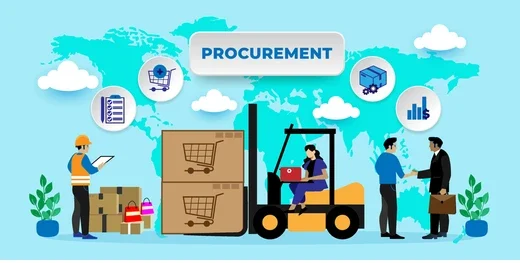
Procurement management software is a digital solution designed to streamline and automate the purchasing process within organizations. It helps businesses efficiently manage supplier relationships, track orders, control budgets, and ensure compliance with procurement policies. By integrating tools for requisition, sourcing, contract management, and invoice processing, this software reduces manual work and minimizes errors. Modern procurement management systems also offer real-time analytics, enabling data-driven decisions and cost savings. Whether for small businesses or large enterprises, adopting procurement management software improves transparency, accelerates procurement cycles, and strengthens supply chain efficiency in today’s competitive market.
Key Features of Leading Procurement Software
Procurement management software has become a vital tool for organizations seeking to optimize purchasing, enhance supplier collaboration, and improve cost efficiency. Leading solutions come equipped with features that not only automate the procurement process but also strengthen compliance, transparency, and decision-making. Below are the seven key features that define top-tier procurement management software.
1. Centralized Supplier Management
One of the core features of procurement management software is centralized supplier management. This allows businesses to store all supplier information, including contracts, certifications, and performance history, in one secure platform. This improves collaboration, enables better supplier evaluation, and simplifies compliance tracking.
2. Automated Purchase Order Processing
Leading procurement management software automates purchase order creation, approval workflows, and tracking. This reduces manual errors, speeds up the ordering process, and ensures all purchases adhere to organizational guidelines.
3. Spend Analysis and Reporting
Advanced spend analytics in procurement management software provide real-time insights into purchasing trends, supplier performance, and budget utilization. This helps organizations identify cost-saving opportunities and make data-driven procurement decisions.
4. Contract Lifecycle Management
A standout feature of top procurement management software is the ability to manage contracts throughout their lifecycle. This includes creation, negotiation, renewal alerts, and compliance monitoring, ensuring organizations maintain strong supplier agreements.
5. Integration with ERP and Accounting Systems
To ensure seamless operations, procurement management software integrates with existing ERP, accounting, and inventory systems. This enhances data accuracy, eliminates duplicate entries, and ensures smooth financial reconciliation.
6. Approval Workflow Automation
Automated approval workflows ensure that every purchase request goes through the right channels before being processed. This feature in procurement management software helps maintain accountability and prevents unauthorized spending.
7. Compliance and Risk Management Tools
Leading procurement management software includes tools to ensure purchases comply with internal policies, industry regulations, and supplier risk assessments. This reduces legal risks and ensures ethical sourcing practices.
Benefits of Using Procurement Management Solutions
Procurement management software is transforming how businesses handle purchasing, supplier relationships, and budget control. By automating key processes and centralizing procurement data, these solutions offer significant operational and financial advantages. Below are six major benefits of using procurement management software for modern businesses.
1. Streamlined Purchasing Processes
Procurement management software simplifies the entire purchasing cycle—from requisition to payment. Automated purchase order generation, supplier selection, and approval workflows reduce delays, eliminate paperwork, and improve operational efficiency.
2. Improved Supplier Collaboration
With procurement management software, businesses can maintain a centralized supplier database that includes performance records, contract details, and communication history. This enhances collaboration, ensures transparency, and fosters long-term, trust-based supplier relationships.
3. Cost Savings and Spend Control
One of the most impactful benefits of procurement management software is its ability to provide real-time spend analysis. By monitoring expenditures and identifying cost-saving opportunities, businesses can negotiate better deals and eliminate unnecessary purchases.
4. Enhanced Compliance and Risk Management
Procurement management software helps ensure that all purchases comply with internal policies, contractual terms, and regulatory standards. Built-in compliance checks and risk assessment tools protect businesses from legal issues and supplier-related risks.
5. Data-Driven Decision Making
With integrated analytics and reporting features, procurement management software offers valuable insights into purchasing patterns, supplier performance, and market trends. These insights empower procurement teams to make informed, strategic decisions.
6. Seamless Integration with Business Systems
Top procurement management software solutions integrate easily with ERP, inventory, and accounting systems. This connectivity ensures smooth data flow across departments, reduces manual errors, and improves overall organizational efficiency.
Understanding Procurement Category Management Software
Procurement category management software is a specialized extension of procurement management software that focuses on grouping similar goods and services into categories for better strategy, cost control, and supplier management. It empowers procurement teams to make smarter, data-driven decisions while aligning purchases with business goals. Below are the key aspects to understand about this powerful procurement tool.
1. What is Procurement Category Management Software
Procurement category management software organizes procurement activities by category—such as IT services, raw materials, or marketing supplies—within a broader procurement management software framework. This allows teams to apply tailored strategies for each category instead of using a one-size-fits-all approach.
2. How It Differs from Standard Procurement Tools
While general procurement management software handles the overall purchasing process, category management software provides a deeper focus on market analysis, supplier segmentation, and category-specific savings strategies.
3. Improved Spend Visibility
With procurement category management software, businesses gain detailed visibility into spending patterns by category. This granular insight helps identify high-cost areas, supplier overlaps, and potential cost-saving opportunities.
4. Supplier Performance and Risk Management
By managing suppliers within specific categories, procurement teams can better track performance metrics, delivery timelines, and contract compliance. This enables faster responses to risks and strengthens supplier relationships in critical categories.
5. Strategic Sourcing Capabilities
Procurement category management software integrates with procurement management software to enhance strategic sourcing. It allows procurement teams to develop category-specific sourcing strategies that consider market trends, supplier capacity, and cost forecasts.
6. Data-Driven Decision Making
The analytics features in procurement category management software provide deep insights for each category, helping procurement managers make informed decisions backed by real-time market and supplier data.
7. Integration with Broader Procurement Systems
When combined with procurement management software, category management tools create a unified platform that streamlines procurement workflows while optimizing each category’s performance. This integration ensures a strategic approach to procurement at every level.
Role of Procurement Master Data Management Software
Procurement master data management (MDM) software plays a critical role in ensuring accurate, consistent, and reliable data across all procurement activities. When integrated with a procurement management tool, it provides the foundation for efficient sourcing, supplier management, and cost control. Below is a detailed look at its importance and functionality.
1. What is Procurement Master Data Management Software
Procurement master data management software is designed to centralize and standardize key procurement-related data such as supplier profiles, product catalogs, contract terms, and pricing information. When connected to a procurement management tool, it ensures all stakeholders work with the same, accurate information.
2. Importance of Accurate Data in Procurement
Accurate and consistent data is the backbone of effective procurement operations. A procurement management tool powered by MDM eliminates errors like duplicate supplier entries, outdated pricing, and inconsistent product descriptions, which can lead to costly mistakes and delays.
3. Streamlining Supplier Information
Procurement master data management software consolidates supplier details into a single source of truth. When integrated with a procurement management tool, it enables easy access to verified supplier credentials, performance history, and compliance documents, improving supplier relationship management.
4. Enhancing Compliance and Risk Management
Regulatory compliance is easier to maintain when data is consistent and up-to-date. MDM within a procurement management tool helps track contract terms, certifications, and regulations, reducing the risk of non-compliance and ensuring smooth audit processes.
5. Boosting Operational Efficiency
By eliminating data silos and integrating all procurement records into one unified system, master data management speeds up purchasing decisions. This integration with a procurement management tool allows for real-time updates, automated approval workflows, and improved coordination between departments.
6. Driving Better Decision-Making with Analytics
Accurate master data improves reporting and analytics within a procurement management tool. This means procurement leaders can make strategic decisions based on reliable insights—such as identifying cost-saving opportunities, predicting supplier performance, and optimizing category spending.
How Procurement Management Systems Improve Operations
Procurement management systems are essential for streamlining purchasing processes, managing supplier relationships, and improving operational efficiency. When paired with a robust procurement management tool, these systems transform how organizations handle sourcing, approvals, and data-driven decisions. Here’s how they contribute to better operations.
1. Centralizing Procurement Processes
A procurement management tool consolidates all purchasing activities into a single platform. This centralization eliminates fragmented workflows, reduces miscommunication, and ensures that all procurement-related tasks are tracked and managed efficiently.
2. Enhancing Supplier Management
Procurement management systems make it easier to store, update, and monitor supplier information. Integrated with a procurement management tool, they provide real-time insights into supplier performance, contract compliance, and relationship health, enabling better supplier partnerships.
3. Automating Approval Workflows
Manual approval processes slow down operations. A procurement management tool automates approval workflows, ensuring that purchase requests move quickly through the right channels while maintaining compliance with company policies.
4. Improving Data Accuracy and Transparency
Data errors can cause costly delays. Procurement systems with an integrated procurement management tool ensure accurate, up-to-date records for orders, deliveries, and payments. This transparency improves accountability across the procurement cycle.
5. Boosting Cost Control and Budget Management
By tracking spending patterns and enforcing budget limits, a procurement management tool helps organizations make more cost-effective purchasing decisions. Detailed reporting also allows procurement teams to identify savings opportunities.
6. Enhancing Compliance and Risk Mitigation
Procurement systems ensure adherence to internal policies and external regulations. A procurement management tool flags non-compliant transactions, helping organizations minimize legal risks and maintain supplier compliance.
7. Driving Strategic Decision-Making
With real-time analytics and performance tracking, a procurement management tool empowers leaders to make data-driven procurement decisions. These insights can improve sourcing strategies, supplier negotiations, and overall operational efficiency.
Top Procurement Software Companies to Consider
In today’s competitive business environment, organizations are under constant pressure to optimize procurement processes, reduce costs, and ensure compliance. Modern procurement software solutions are helping companies achieve these goals by automating purchasing workflows, improving supplier management, and providing data-driven insights. To help you make the right choice, we’ve compiled a list of top procurement software companies you should consider—complete with procurement software examples for each
SAP Ariba A Comprehensive Enterprise Procurement Solution
SAP Ariba stands out as one of the most recognized procurement software examples for global enterprises. It offers a complete suite of procurement and supply chain solutions, enabling businesses to connect with millions of suppliers worldwide. With features such as supplier risk management, spend analysis, and contract lifecycle automation, SAP Ariba is ideal for large corporations looking for a scalable, cloud-based solution. Its integration with SAP ERP systems also ensures seamless data flow across departments.
Coupa Leading Spend Management and Procurement Platform
Coupa is another strong player among procurement software examples, focusing on spend optimization and procurement efficiency. It uses AI-driven insights to identify cost-saving opportunities and improve supplier performance. Coupa’s user-friendly interface and extensive integration capabilities make it suitable for businesses of all sizes. The platform also offers expense management, invoicing, and supply chain collaboration tools, making it a true all-in-one procurement and spend management solution.
Jaggaer Flexible Procurement for Complex Needs
Jaggaer is often mentioned in discussions about top procurement software examples for industries with unique procurement requirements, such as education, manufacturing, and healthcare. It offers solutions for supplier management, sourcing, contract management, and spend analytics. Jaggaer’s ability to handle complex supply chains and large supplier networks makes it a favorite for organizations with global procurement operations.
GEP SMART AI-Powered Procurement Excellence
GEP SMART is an AI-driven, cloud-based procurement platform that integrates sourcing, contract management, supplier collaboration, and savings tracking. It’s one of the most innovative procurement software examples, with advanced analytics and automation capabilities. GEP SMART is designed to work seamlessly across devices, giving procurement teams flexibility and real-time access to critical data.
Ivalua Strong in Supplier Collaboration and Transparency
Ivalua is a notable name in procurement software examples, known for its focus on supplier collaboration and visibility. It enables organizations to manage the entire procurement lifecycle from sourcing to payment within a single platform. With strong customization capabilities, Ivalua is ideal for organizations seeking to adapt procurement processes to their unique business models.
Zycus AI-Driven Procurement Automation
Zycus has built a reputation as one of the most effective procurement software examples for AI-powered automation. Its suite includes eProcurement, eSourcing, supplier management, and contract lifecycle management tools. Zycus uses its proprietary AI engine, MERLIN, to automate tasks such as supplier onboarding, invoice matching, and compliance monitoring, making procurement faster and more efficient.
Proactis Tailored for Mid-Market Businesses
Proactis is among the procurement software examples that cater specifically to mid-sized organizations seeking affordability without sacrificing features. It offers spend control, supplier engagement, and contract management solutions. Proactis focuses on delivering procurement efficiency and cost savings, making it a great choice for organizations that don’t require enterprise-level complexity but still want robust capabilities.
Basware Leader in AP Automation and Procurement
Basware is one of the most trusted procurement software examples for organizations looking to combine procurement with accounts payable automation. It specializes in invoice processing, eProcurement, and supplier network management. Basware’s global network and compliance support make it a preferred choice for multinational companies that require cross-border procurement capabilities.
Kissflow Procurement Cloud – Simple and Scalable
Kissflow Procurement Cloud is one of the most flexible procurement software examples for businesses that want a balance of simplicity and customization. It offers procurement request handling, purchase order management, vendor management, and analytics in a no-code environment. This makes it accessible to organizations with minimal technical resources while still delivering enterprise-grade results.
Precoro Affordable Procurement for Growing Businesses
Precoro rounds out our list of procurement software examples as an affordable yet powerful procurement solution. It includes purchase order automation, supplier management, budgeting, and approval workflows. Precoro is well-suited for small to medium-sized businesses that want to digitize procurement without overspending. Its intuitive design and quick implementation make it a great entry point into procurement automation.
Choosing the Right Procurement Management Software
Selecting the right procurement management software can transform how your organization handles purchasing, supplier relationships, and cost control. With numerous options available, making an informed choice requires a clear understanding of your business needs and the software’s capabilities.
Understanding the Role of Procurement Management Software
Procurement management software is designed to streamline the purchasing process, from requisition to payment. It centralizes data, automates workflows, and enhances transparency in supplier interactions. The right solution can improve efficiency, reduce errors, and help businesses gain better control over spending.
Identifying Your Business Requirements
Before choosing procurement management software, define your organization’s specific procurement needs. Consider factors such as the size of your procurement team, the complexity of your supplier network, compliance requirements, and integration with existing ERP or accounting systems. Having a clear list of priorities will help you filter out solutions that don’t align with your goals.
Evaluating Features and Functionalities
Not all procurement management software offers the same features. Look for essential capabilities such as purchase order management, supplier database management, contract tracking, spend analytics, and approval workflows. Advanced tools may also include AI-powered insights, supplier risk assessment, and real-time reporting. Ensure the platform can scale with your business growth.
Considering Integration and Usability
Integration is a critical factor when selecting procurement management software. It should seamlessly connect with your existing business tools, such as ERP, CRM, or accounting software, to ensure smooth data flow. Additionally, choose a platform with an intuitive interface and minimal learning curve to encourage quick adoption by your procurement team.
Assessing Vendor Support and Security
A reliable procurement management software provider should offer excellent customer support, regular updates, and robust security features. Procurement involves sensitive financial and supplier information, so data encryption, role-based access controls, and compliance certifications are non-negotiable. Also, review the vendor’s reputation and customer feedback before committing.
Balancing Cost and Long Term Value
While cost is important, the cheapest solution isn’t always the best. Assess procurement management software based on its long-term value — including time savings, reduced errors, improved compliance, and supplier relationship management. Investing in a feature-rich, scalable solution can yield greater returns over time.
Trends in Procurement Management Software for 2026
The procurement landscape is rapidly evolving, driven by advancements in technology, global supply chain shifts, and changing business needs. As we enter 2026, procurement management software is becoming more intelligent, integrated, and user-focused. Below are the key trends shaping the future of procurement technology.
1. AI Driven Decision Making
Artificial Intelligence is now at the core of modern procurement management software. AI-powered analytics enable procurement teams to forecast demand, optimize supplier selection, and detect cost-saving opportunities. In 2026, AI algorithms will also assist in automating contract analysis and mitigating supply chain risks.
2. Greater Emphasis on Supplier Risk Management
With increasing geopolitical and economic uncertainties, companies are prioritizing supplier risk assessment. Procurement management software now includes advanced risk dashboards, predictive alerts, and compliance tracking to help organizations identify and address potential disruptions before they impact operations.
3. Integration with ESG and Sustainability Goals
Sustainability is no longer optional — it’s a business imperative. In 2026, procurement management software will integrate ESG (Environmental, Social, and Governance) metrics, enabling businesses to source ethically, monitor carbon footprints, and ensure supplier compliance with sustainability regulations.
4. Cloud Based and Mobile First Platforms
Cloud technology continues to dominate procurement systems. The latest procurement management software offers mobile-first design, giving procurement teams real-time access to approvals, supplier data, and analytics from any device. This flexibility supports hybrid and remote work environments.
5. Advanced Spend Analytics
Data is power, and modern procurement management software leverages advanced spend analytics to provide deep insights into purchasing patterns. By categorizing expenses and highlighting inefficiencies, these tools help businesses make strategic, cost-effective decisions.
6. Blockchain for Transparency and Security
Blockchain technology is making its way into procurement management software to ensure transparent and tamper-proof supplier transactions. This innovation enhances trust between buyers and suppliers, reduces fraud risks, and streamlines contract verification processes.
7. Personalized User Experience and Automation
Procurement teams expect more personalized dashboards and automated workflows. In 2026, procurement management software will feature customizable interfaces, AI-based recommendations, and robotic process automation (RPA) to eliminate repetitive manual tasks.
Conclusion
Procurement management software has become an essential tool for modern businesses, streamlining purchasing processes, improving supplier relationships, and enhancing cost efficiency. By centralizing data, automating workflows, and providing actionable insights, it empowers organizations to make smarter, data-driven decisions. As technology continues to evolve with AI, cloud computing, and advanced analytics, procurement tools will only become more intelligent and adaptable. Companies that invest in the right procurement management software can expect greater transparency, reduced risks, and improved operational performance, ultimately gaining a competitive edge in today’s fast-paced global market. The future of procurement is smarter, faster, and more connected.
Know More >>> Vendor Management Software
