

Table of Contents
Introduction
Community rehabilitation companies (CRCs) play a crucial role in supporting individuals as they reintegrate into society after facing challenges such as criminal convictions, substance abuse, or long-term unemployment. These organizations deliver targeted rehabilitation programs designed to promote personal development, reduce reoffending, and improve overall well-being. By providing services like counseling, vocational training, mentoring, and community engagement activities, CRCs help individuals build the skills and confidence needed for a fresh start. Working in partnership with government agencies, NGOs, and local communities, they serve as a bridge to a more productive, stable, and socially responsible life for those they assist.
What is a Community Rehabilitation Program
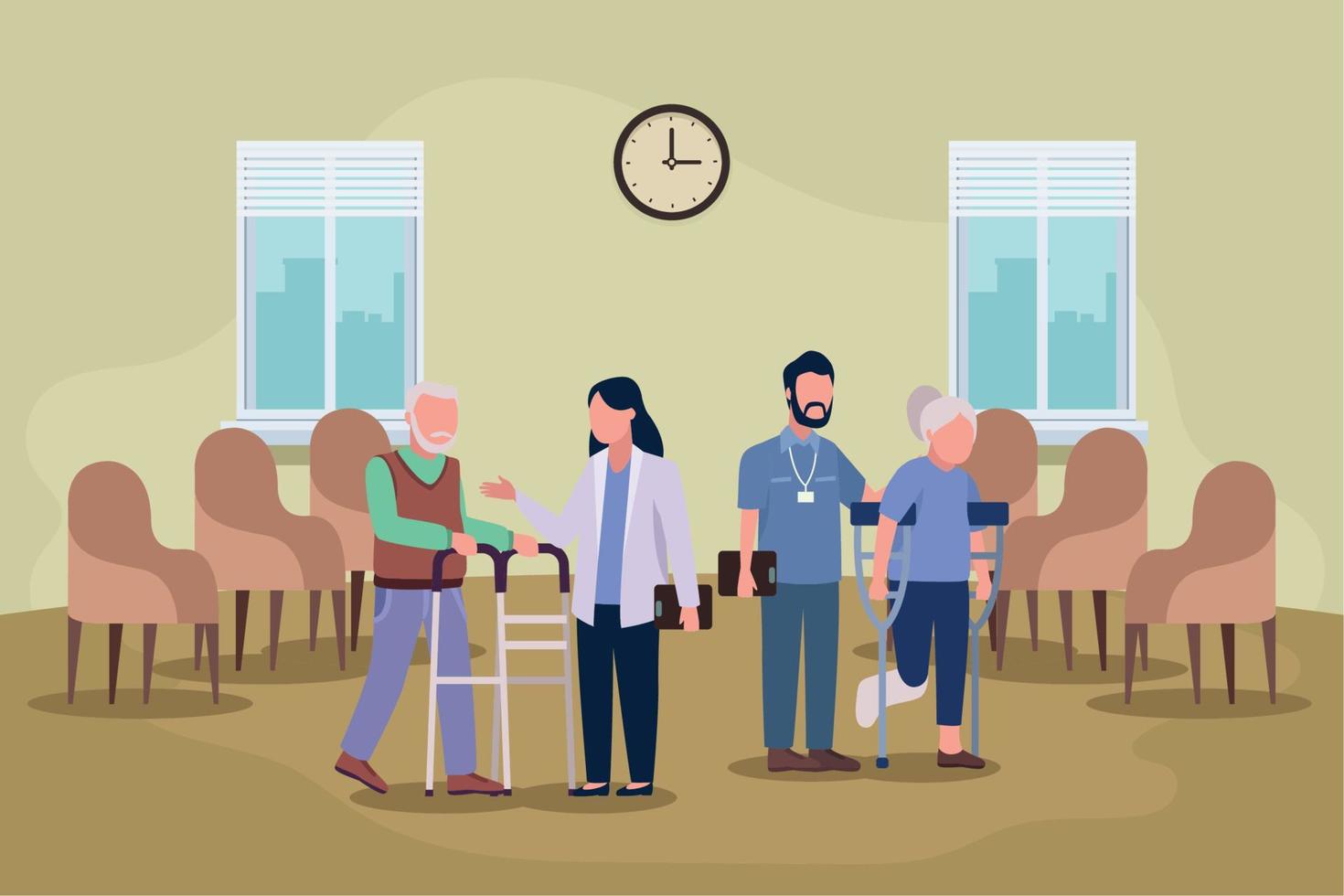
A Community Rehabilitation Program (CRP) is a structured initiative designed to help individuals facing physical, mental, social, or behavioral challenges reintegrate into society and lead independent, fulfilling lives. These programs are often run by community rehabilitation companies, non-profits, or government agencies, and may focus on employment training, life skills development, therapy, and support services. Their primary goal is to empower participants by addressing barriers to work, education, and community participation.
CRPs work closely with healthcare providers, social workers, and local organizations to create tailored plans for each individual. They provide resources such as vocational training, counseling, housing assistance, and accessibility tools. By fostering independence and inclusion, community rehabilitation programs not only transform individual lives but also strengthen communities, reduce unemployment, and promote equality. These programs are a vital bridge between personal recovery and active participation in society.
Understanding Community Rehabilitation Programs
Community rehabilitation programs are structured initiatives designed to support individuals in rebuilding their lives and reintegrating into society. These programs often target people facing challenges such as criminal convictions, addiction recovery, or unemployment. They combine a variety of services, including vocational training, counseling, mental health support, and community engagement, to address both personal and social barriers to progress.
By offering tailored interventions, community rehabilitation programs aim to reduce recidivism, promote self-reliance, and encourage positive lifestyle changes. They work closely with community partners, government bodies, and support networks to create sustainable pathways for success. Through continuous guidance and skills development, these programs empower participants to make constructive choices, fostering a safer and more cohesive community.
Key Services Offered by Community Rehabilitation Companies
Community rehabilitation companies (CRCs) play a vital role in supporting individuals who require assistance in reintegrating into society after facing legal, social, or personal challenges. These organizations provide a range of targeted services designed to promote rehabilitation, reduce reoffending, and improve community well-being. Below are the key services typically offered by community rehabilitation companies.
1. Offender Management and Supervision
One of the primary roles of community rehabilitation companies is managing and supervising offenders in the community. This includes ensuring they comply with court orders, probation requirements, and rehabilitation agreements. CRCs monitor progress, provide guidance, and enforce rules that encourage accountability.
2. Personalized Rehabilitation Plans
Community rehabilitation companies develop tailored rehabilitation plans that consider each individual’s background, needs, and risk factors. These plans may include education, job training, therapy, and community service, ensuring a holistic approach to rehabilitation.
3. Employment and Skills Training
Helping individuals gain employment is a crucial focus for CRCs. They provide access to vocational training, job placement programs, and career counseling. This service empowers individuals with the skills and confidence needed to enter or re-enter the workforce successfully.
4. Substance Abuse Treatment and Support
Many clients of community rehabilitation companies struggle with addiction issues. CRCs often partner with healthcare providers to offer drug and alcohol counseling, rehabilitation programs, and ongoing support to address substance dependency and encourage healthy living.
5. Mental Health and Counseling Services
Recognizing the link between mental health and rehabilitation success, CRCs provide access to psychological counseling, therapy, and emotional support programs. These services help individuals manage stress, trauma, and behavioral issues that may hinder reintegration.
6. Community Engagement and Volunteer Opportunities
Community rehabilitation companies encourage participants to engage in community projects and volunteer work. This fosters a sense of purpose, builds positive social connections, and helps restore trust between individuals and the wider community.
7. Housing and Social Support Assistance
Stable housing is essential for successful rehabilitation. CRCs assist individuals in finding safe accommodation and connecting with social support networks. This reduces the risk of reoffending and ensures a stable foundation for rebuilding their lives.
Community Rehabilitation Companies News & Updates
Community rehabilitation companies (CRCs) are essential organizations dedicated to the reintegration and support of individuals transitioning from the justice system back into society. As their roles and responsibilities evolve, staying updated on their latest activities, policy changes, and initiatives is vital for stakeholders, communities, and policymakers. Below is a detailed overview of the latest news and updates surrounding community rehabilitation companies.
1. Policy Changes Impacting Community Rehabilitation Companies
Recent government reforms have influenced how community rehabilitation companies operate. Adjustments in probation services, funding allocations, and performance targets have reshaped their service delivery models. These policy updates aim to improve rehabilitation outcomes, reduce reoffending rates, and enhance collaboration with public and private sectors.
2. Innovative Rehabilitation Programs Introduced
Many community rehabilitation companies are launching innovative programs to address the unique needs of their clients. These include digital skills training, mental health workshops, and integrated support models that combine employment assistance with counseling services. Such programs are proving effective in building long-term resilience.
3. Partnerships with Local Organizations
A growing trend among community rehabilitation companies is forming strong partnerships with charities, healthcare providers, educational institutions, and local businesses. These collaborations expand available resources, create job opportunities, and provide holistic support for individuals reintegrating into society.
4. Technology Integration in Rehabilitation Services
Digital transformation is becoming a priority for CRCs. The introduction of case management software, virtual counseling platforms, and online training resources has enabled community rehabilitation companies to reach more clients efficiently while maintaining personalized support.
5. Community Engagement Initiatives
To strengthen public trust and community relationships, many community rehabilitation companies are hosting awareness events, volunteer programs, and open forums. These initiatives aim to educate communities about rehabilitation efforts, reduce stigma, and encourage collective responsibility for reintegration.
6. Measuring Success and Reporting Outcomes
Accountability remains a core focus, with community rehabilitation companies increasingly publishing detailed performance reports. These updates showcase reoffending rate reductions, employment success stories, and positive transformations achieved through structured rehabilitation programs.
How to Choose the Right Community Rehabilitation Companies
Finding the right community rehabilitation companies can be the key to ensuring a successful recovery process, whether for individuals overcoming physical injuries, managing disabilities, or transitioning back into society after a significant life event. With numerous options available, making the right choice requires careful research and a clear understanding of your needs. Here’s a detailed guide to help you navigate the selection process effectively.
1. Understand the Purpose of Community Rehabilitation Companies
Before selecting any provider, it’s important to understand what community rehabilitation companies do. These organizations are dedicated to helping individuals regain independence and improve their quality of life through therapy, skill-building programs, counseling, and support services. They cater to various needs, from physical rehabilitation after accidents to reintegration for those leaving correctional facilities. Knowing their purpose helps you set clear expectations.
2. Identify Your Specific Rehabilitation Needs
Not all community rehabilitation companies offer the same services. Some specialize in physical therapy and occupational training, while others focus on mental health support or vocational rehabilitation. Begin by identifying whether you need physical, emotional, or social rehabilitation services—or a combination of these. This step ensures you target companies that match your unique situation.
3. Check Accreditation and Licensing
Reputable community rehabilitation companies hold valid licenses and accreditations from recognized authorities. These credentials indicate that they meet industry standards, follow ethical practices, and employ qualified professionals. Checking for accreditation also reassures you that the company complies with safety, quality, and care regulations, which is crucial for effective rehabilitation.
4. Evaluate Staff Qualifications and Experience
The success of any rehabilitation program largely depends on the expertise of its staff. When considering community rehabilitation companies, review the qualifications, certifications, and years of experience of their therapists, counselors, and trainers. Professionals with specialized training in your area of need are more likely to deliver tailored, effective interventions.
5. Review the Range of Services Offered
The best community rehabilitation companies provide a comprehensive range of services, including therapy sessions, skill development programs, vocational training, counseling, and aftercare support. This ensures continuity of care and allows you to access multiple services under one roof, which can significantly enhance your recovery journey.
6. Consider Accessibility and Location
Location plays a major role in choosing community rehabilitation companies, especially if frequent visits are required. A conveniently located facility reduces travel stress and increases the likelihood of consistent attendance. Additionally, check for accessibility features, such as wheelchair ramps or transportation assistance, to ensure the facility meets your mobility needs.
7. Look at Success Rates and Client Testimonials
Client feedback can be a powerful indicator of quality. Seek community rehabilitation companies that provide case studies, testimonials, or data on their success rates. Positive reviews and stories from past clients can offer valuable insights into the effectiveness of their programs and the level of care provided.
8. Examine Program Customization Options
Every individual’s rehabilitation journey is unique, so flexibility is important. The most effective community rehabilitation companies offer customized plans based on assessments of your needs, goals, and progress. Personalized programs can adapt over time to ensure the best possible outcomes, rather than relying on a one-size-fits-all approach.
9. Compare Costs and Funding Options
Rehabilitation services can vary widely in cost. When assessing community rehabilitation companies, request detailed pricing information and explore available funding options. Some companies work with insurance providers, government programs, or nonprofit grants to make services more affordable. Understanding the financial aspect upfront can prevent unexpected expenses later.
10. Assess Long Term Support and Follow Up Services
Recovery doesn’t always end when the initial program is complete. Leading community rehabilitation companies offer ongoing support, such as follow-up appointments, community integration activities, and peer support groups. These services help maintain progress and prevent relapses, ensuring a smoother transition into everyday life.
How Community Rehabilitation Companies Work with Local Agencies
Community Rehabilitation Companies (CRCs) play a vital role in offender management, reintegration, and community safety. By partnering with local agencies, these organizations create a coordinated approach to rehabilitation that benefits individuals and society. This collaboration ensures that offenders receive tailored support while reducing the likelihood of reoffending.
1. Understanding the Role of Community Rehabilitation Companies
Community Rehabilitation Companies are contracted organizations responsible for supervising low- and medium-risk offenders in the community. Their work includes rehabilitation programs, skill-building initiatives, and support for reintegration into society. By working closely with local agencies, CRCs ensure offenders have access to housing, employment, mental health services, and substance misuse treatment.
2. Collaboration with Probation Services
A key partnership exists between CRCs and probation services. Probation officers work alongside CRC case managers to monitor offender progress and compliance with court orders. This collaboration ensures that supervision is consistent and that offenders receive the right mix of rehabilitation and accountability.
3. Partnership with Police Authorities
Community Rehabilitation Companies regularly exchange information with local police departments to ensure community safety. This involves sharing updates on high-risk individuals, monitoring curfews, and responding to potential breaches. Police partnerships help CRCs maintain effective supervision while addressing public safety concerns.
4. Working with Social Services
Social services are crucial for addressing the broader needs of offenders, such as housing, family support, and welfare benefits. CRCs partner with these agencies to provide stable living conditions and reconnect offenders with their families, which plays a significant role in reducing reoffending rates.
5. Collaboration with Healthcare Providers
Many offenders have underlying mental health or substance abuse issues. Community Rehabilitation Companies collaborate with healthcare agencies to ensure access to counseling, therapy, addiction recovery programs, and medical treatment. This integrated care approach improves rehabilitation outcomes.
6. Engagement with Non Governmental Organizations (NGOs)
NGOs often deliver specialized rehabilitation programs, including vocational training, mentorship, and community service opportunities. CRCs work with these organizations to offer offenders additional pathways to employment and personal development, helping them reintegrate successfully into society.
7. Information Sharing and Joint Planning
One of the most important aspects of CRC collaboration is transparent information sharing. Regular meetings, shared databases, and joint case reviews allow agencies to coordinate their efforts. This ensures all stakeholders work toward the same rehabilitation goals while maintaining public safety.
Challenges Faced by Community Rehabilitation Companies
Community Rehabilitation Companies (CRCs) play a crucial role in supervising and rehabilitating low- and medium-risk offenders, ensuring they successfully reintegrate into society. However, their mission is far from easy. CRCs face a range of operational, structural, and societal challenges that can affect the quality of rehabilitation and community safety.
1. Limited Funding and Resource Constraints
One of the biggest challenges for Community Rehabilitation Companies is the lack of adequate funding. Budget limitations often lead to staff shortages, reduced training opportunities, and fewer rehabilitation programs. With limited resources, it becomes difficult to provide tailored support for offenders, especially those with complex needs such as mental health issues or substance misuse problems.
2. High Caseloads for Staff
Many CRC employees face overwhelming workloads due to high offender-to-staff ratios. Large caseloads limit the amount of time rehabilitation officers can spend with each individual, reducing the effectiveness of personalized rehabilitation plans. This can lead to gaps in supervision, weaker offender engagement, and ultimately higher risks of reoffending.
3. Inconsistent Collaboration with Partner Agencies
While CRCs depend on collaboration with probation services, police, social services, and healthcare providers, these partnerships are not always seamless. Inconsistent communication, lack of shared data, and differences in operational priorities can slow down rehabilitation efforts. Without strong multi-agency coordination, offender support becomes fragmented and less effective.
4. Public Perception and Trust Issues
Community Rehabilitation Companies often face skepticism from the public, particularly if high-profile cases of reoffending occur. Negative media coverage can undermine trust in CRCs and create resistance within communities. Public concerns can also lead to political pressure, influencing funding and operational decisions in ways that may not always benefit rehabilitation.
5. Adapting to Policy Changes and Regulations
The criminal justice system is constantly evolving, with new laws, government policies, and contractual obligations regularly introduced. CRCs must quickly adapt to these changes while maintaining service quality. Frequent policy shifts can disrupt long-term rehabilitation plans and require additional training for staff, further straining resources.
6. Addressing Complex Offender Needs
Many offenders under CRC supervision have multiple and overlapping needs, including housing instability, unemployment, addiction, and mental health challenges. Providing effective support requires a holistic approach, which is difficult when resources are stretched. Without addressing these root causes, rehabilitation efforts are less likely to succeed in the long term.
Conclusion
Community rehabilitation companies play a vital role in bridging the gap between the justice system and society, helping individuals reintegrate successfully while enhancing community safety. By offering tailored programs such as employment support, mental health services, restorative justice, and housing assistance, these organizations address the root causes of reoffending. Their collaborative approach with local agencies, volunteers, and peer mentors fosters trust, accountability, and long-term positive change. As they continue to innovate and adapt, community rehabilitation companies remain essential in building safer, more inclusive communities and providing second chances that truly transform lives.
Know More >>> Property Management Software for Small Landlords
