

Table of Contents
Introduction
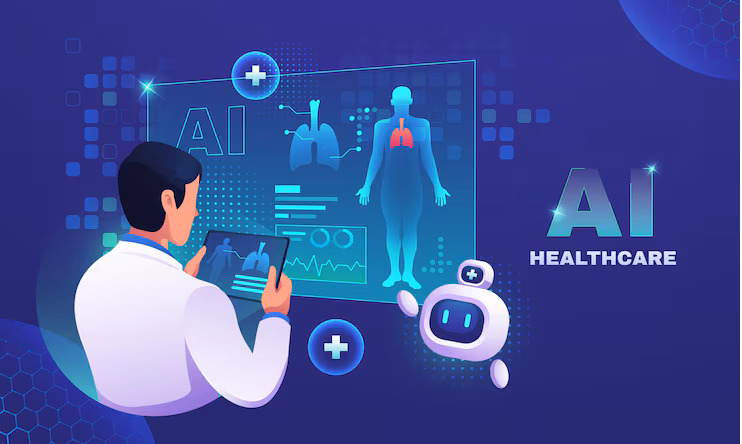
AI healthcare companies are revolutionizing the medical industry by integrating artificial intelligence into patient care, diagnostics, and operational processes. These companies leverage advanced technologies such as machine learning, predictive analytics, and natural language processing to improve clinical outcomes, streamline workflows, and enhance patient experiences. From healthcare startup companies developing innovative solutions to established firms implementing large-scale AI projects, the impact of AI in healthcare continues to grow rapidly. Partnering with AI healthcare consulting experts helps organizations identify opportunities, implement solutions effectively, and stay competitive in a technology-driven healthcare landscape.
Importance of AI in Healthcare
Artificial intelligence (AI) is transforming healthcare by enabling faster, more accurate, and personalized medical solutions. AI algorithms can analyze vast amounts of patient data to detect patterns, predict disease progression, and assist in early diagnosis. This technology enhances clinical decision-making, reduces human error, and optimizes treatment plans, ultimately improving patient outcomes. AI healthcare companies and healthcare startup companies are at the forefront of this innovation, developing tools that streamline workflows, automate routine tasks, and support medical professionals in delivering high-quality care.
Beyond patient care, AI plays a crucial role in operational efficiency and cost reduction. Predictive analytics, resource optimization, and intelligent scheduling help hospitals and clinics manage their resources more effectively. AI healthcare consulting ensures that organizations implement these technologies correctly, maximizing their benefits. As healthcare continues to evolve, the importance of AI in improving patient safety, operational efficiency, and overall healthcare quality cannot be overstated.
Types of AI Healthcare Solutions
Artificial intelligence (AI) is transforming healthcare globally, helping organizations enhance patient care, streamline operations, and innovate medical research. AI healthcare companies are at the forefront of this revolution, offering a wide range of solutions that address both clinical and administrative needs. Understanding the different types of AI healthcare solutions can help providers, hospitals, and healthcare startups select the right tools for maximum impact.
1. Predictive Analytics and Risk Assessment
Predictive analytics solutions use AI algorithms to analyze patient data, identify trends, and predict health risks. These systems help healthcare providers anticipate disease outbreaks, forecast patient deterioration, and personalize preventive care. AI healthcare companies develop predictive models that improve patient outcomes while reducing costs by enabling proactive interventions.
2. Medical Imaging and Diagnostics
AI-powered imaging solutions assist radiologists and clinicians in detecting anomalies in X-rays, MRIs, and CT scans. Machine learning algorithms can highlight tumors, fractures, or other conditions with high accuracy. By collaborating with AI healthcare companies, hospitals can accelerate diagnosis, reduce human error, and enhance the overall efficiency of medical imaging departments.
3. Virtual Health Assistants
Virtual assistants and chatbots are increasingly used to provide patients with instant support, appointment scheduling, medication reminders, and symptom assessments. These solutions, developed by leading AI healthcare companies, improve patient engagement, reduce administrative burden, and ensure timely communication between patients and healthcare providers.
4. Drug Discovery and Development
AI is accelerating pharmaceutical research by analyzing chemical compounds, predicting drug interactions, and identifying potential candidates for clinical trials. AI healthcare companies use machine learning models to optimize the drug discovery process, reduce costs, and shorten the timeline for bringing life-saving medications to market.
5. Personalized Treatment Plans
AI solutions can analyze a patient’s medical history, genetics, and lifestyle factors to recommend personalized treatment plans. This approach ensures that therapies are tailored for effectiveness and minimal side effects. Many AI healthcare companies specialize in developing algorithms that support precision medicine, improving patient outcomes and satisfaction.
6. Remote Patient Monitoring
Remote patient monitoring solutions track vital signs and health metrics in real time, alerting healthcare providers to potential issues before they escalate. AI healthcare companies develop platforms that integrate wearable devices, IoT sensors, and predictive analytics to monitor chronic conditions, support telemedicine, and enhance home-based care.
7. Administrative and Operational Automation
AI is not limited to clinical applications; it also transforms healthcare administration. Solutions include automated billing, claims processing, and staff scheduling. AI healthcare companies provide platforms that streamline operations, reduce administrative costs, and allow medical staff to focus more on patient care rather than paperwork.
Role of AI Healthcare Consulting
Artificial intelligence (AI) is transforming healthcare, from improving patient outcomes to optimizing operational efficiency. However, implementing AI solutions in healthcare requires expertise, strategy, and proper execution. This is where AI healthcare consulting comes in. Consulting services help hospitals, clinics, and healthcare startups navigate the complex AI landscape, ensuring successful adoption of technologies provided by AI healthcare companies.
1. Strategic Planning for AI Integration
AI healthcare consulting begins with a thorough assessment of an organization’s needs, goals, and existing systems. Consultants help healthcare providers identify areas where AI can deliver maximum value, such as predictive analytics, medical imaging, or remote patient monitoring. Partnering with AI healthcare companies ensures that the selected technologies align with business objectives and regulatory standards.
2. Technology Selection and Vendor Evaluation
With a growing number of AI healthcare companies offering diverse solutions, choosing the right technology can be overwhelming. AI healthcare consultants guide organizations in evaluating software, platforms, and tools that best fit clinical workflows, budget constraints, and scalability requirements. This reduces risks and ensures a smoother implementation process.
3. Implementation Support and Project Management
Consultants provide hands-on support during the implementation phase, coordinating between healthcare teams and technology vendors. They manage timelines, budgets, and milestones to ensure that AI solutions from AI healthcare companies are deployed effectively. Proper project management minimizes disruptions to daily operations while maximizing adoption and performance.
4. Regulatory Compliance and Security
Healthcare is a highly regulated industry, and AI adoption must comply with data privacy laws like HIPAA and GDPR. AI healthcare consulting services help organizations navigate compliance requirements, ensuring that solutions from AI healthcare companies maintain patient confidentiality, secure data storage, and ethical AI practices.
5. Change Management and Staff Training
AI solutions are only effective if staff understand and use them properly. Consultants develop training programs and change management strategies to help healthcare professionals adopt new tools seamlessly. By bridging the gap between technology provided by AI healthcare companies and human workflows, consultants ensure successful long-term integration.
6. Continuous Optimization and Performance Monitoring
AI in healthcare is not a one-time implementation. Consultants assist organizations in monitoring AI system performance, analyzing outcomes, and recommending improvements. This ongoing support ensures that solutions from AI healthcare companies continue to deliver measurable benefits and evolve with changing healthcare needs.
Notable AI Healthcare Startup Companies
The healthcare industry is undergoing a rapid transformation, driven by artificial intelligence (AI) technologies. AI healthcare companies, including innovative startups, are leading the way by developing solutions that enhance patient care, streamline operations, and support medical research. These startups are pioneering AI applications in diagnostics, predictive analytics, remote monitoring, and personalized medicine, reshaping how healthcare is delivered.
1. AI Powered Diagnostics Startups
Several AI healthcare companies focus on diagnostic solutions that leverage machine learning to analyze medical images, lab results, and genetic data. Startups in this category are revolutionizing radiology, pathology, and early disease detection by providing faster and more accurate results. Their innovations reduce human error and support clinicians in making informed decisions.
2. Predictive Analytics and Risk Management
AI healthcare companies specializing in predictive analytics help healthcare providers identify high-risk patients, forecast disease progression, and optimize preventive care. Startups in this space are enabling hospitals and clinics to anticipate patient needs, improve population health, and reduce healthcare costs.
3. Remote Patient Monitoring Startups
Remote monitoring solutions allow patients to be continuously observed outside traditional clinical settings. AI healthcare companies are developing platforms that integrate wearable devices, IoT sensors, and cloud-based analytics to track vital signs and chronic conditions. These startups empower providers to deliver personalized care while minimizing hospital readmissions.
4. Virtual Health Assistants and Telemedicine
AI-driven virtual assistants and chatbots are transforming patient engagement. Startups in this category develop solutions that offer appointment scheduling, symptom checking, medication reminders, and teleconsultations. AI healthcare companies in this space improve patient satisfaction, reduce administrative burdens, and make healthcare more accessible.
5. AI in Drug Discovery and Development
Some notable AI healthcare companies focus on accelerating drug discovery by predicting molecular interactions, optimizing clinical trials, and identifying potential therapeutic candidates. Startups in this sector are helping pharmaceutical companies reduce time-to-market for new drugs and improve the efficiency of R&D processes.
6. Personalized Medicine and Genomics Startups
AI healthcare companies are advancing personalized medicine by analyzing genetic information and patient history to recommend tailored treatment plans. Startups working in genomics and precision medicine use AI to identify biomarkers, optimize therapy selection, and improve patient outcomes, paving the way for highly individualized care.
7. Operational Efficiency and Workflow Automation
Beyond clinical applications, AI healthcare startups also address administrative and operational challenges. Solutions include automated billing, scheduling, inventory management, and claims processing. AI healthcare companies in this field help healthcare providers reduce costs, enhance efficiency, and focus more on patient care rather than administrative tasks.
AI Healthcare Projects Driving Innovation
Artificial intelligence (AI) is revolutionizing healthcare, enabling smarter, faster, and more personalized solutions. Across hospitals, clinics, and research centers, AI healthcare projects are driving innovation by improving patient care, streamlining operations, and accelerating medical research. From predictive analytics to remote monitoring, these projects showcase how AI can transform the healthcare landscape.
1. AI Powered Diagnostic Projects
One of the most impactful areas of innovation is AI-driven diagnostics. Projects in this space use machine learning algorithms to analyze medical images, pathology slides, and lab results. These AI tools can detect diseases like cancer, cardiovascular conditions, and neurological disorders earlier than traditional methods. By reducing diagnostic errors and speeding up clinical decision-making, these projects are improving patient outcomes and healthcare efficiency.
2. Predictive Analytics and Risk Management
AI healthcare projects often focus on predictive analytics, which identifies patients at high risk for certain conditions. By analyzing historical and real-time patient data, these projects enable healthcare providers to anticipate disease progression, prevent complications, and optimize resource allocation. Hospitals implementing these solutions can improve population health management and reduce costly emergency interventions.
3. Remote Patient Monitoring Initiatives
Remote patient monitoring projects use AI to track patient vitals and chronic conditions outside traditional clinical settings. Wearable devices and IoT sensors collect real-time data, while AI algorithms analyze trends to provide early warnings for potential health issues. These initiatives improve patient engagement, reduce hospital readmissions, and enable continuous, personalized care.
4. Virtual Health Assistants and Telemedicine Projects
AI healthcare projects in virtual care include intelligent chatbots and telemedicine platforms. These solutions provide symptom assessment, appointment scheduling, medication reminders, and remote consultations. Such projects enhance access to care, streamline administrative tasks, and improve overall patient experience while reducing the burden on healthcare staff.
5. AI in Drug Discovery and Genomics
Pharmaceutical and genomics-focused AI healthcare projects are accelerating drug discovery and personalized medicine. AI algorithms analyze molecular structures, predict drug interactions, and identify potential candidates for clinical trials. These innovations reduce research time, cut costs, and allow healthcare organizations to develop more effective, tailored therapies for patients.
6. Operational Efficiency and Workflow Automation
AI projects also focus on improving healthcare operations. From automated scheduling and billing to supply chain and inventory management, these solutions optimize workflow efficiency. By integrating AI into administrative processes, healthcare organizations can save time, reduce errors, and allow clinicians to focus on patient care rather than paperwork.
Challenges in Implementing AI in Healthcare
Artificial intelligence (AI) is rapidly transforming healthcare, offering innovative solutions for diagnostics, patient care, and operational efficiency. However, despite its potential, implementing AI in healthcare presents several challenges. Hospitals, clinics, and healthcare startups often encounter obstacles that require careful planning, investment, and collaboration with AI healthcare companies to ensure successful adoption.
1. Data Privacy and Security Concerns
Healthcare data is highly sensitive, and protecting patient information is critical. AI systems require large datasets for training and analysis, raising concerns about privacy breaches and unauthorized access. Compliance with regulations such as HIPAA and GDPR is essential. Working with reputable AI healthcare companies ensures that data security protocols and encryption standards are strictly followed.
2. Integration with Existing Systems
Many healthcare organizations rely on legacy systems, electronic health records (EHRs), and other software. Integrating AI solutions into these existing infrastructures can be complex and time-consuming. Ensuring compatibility and seamless data flow is essential to prevent disruptions in patient care and operations.
3. High Implementation Costs
Developing and deploying AI solutions often requires significant investment in technology, infrastructure, and skilled personnel. Hospitals and clinics may struggle to justify upfront costs, especially for smaller healthcare providers. Partnering with AI healthcare companies that offer scalable solutions can help mitigate financial challenges.
4. Limited Expertise and Skills Gap
AI in healthcare requires specialized expertise in machine learning, data science, and clinical applications. Many organizations face a skills gap, making it difficult to implement and maintain AI solutions effectively. Collaborating with experienced AI healthcare companies or consultants can bridge this gap and ensure successful deployment.
5. Regulatory and Ethical Challenges
AI applications in healthcare must comply with strict regulatory requirements to ensure patient safety and efficacy. Additionally, ethical concerns regarding algorithmic bias, transparency, and decision-making accountability need to be addressed. Careful planning and partnership with trusted AI healthcare companies can help navigate these challenges responsibly.
6. Resistance to Change
Healthcare professionals may be hesitant to adopt AI technologies due to concerns about job displacement, workflow disruption, or unfamiliarity with new tools. Effective change management, training, and clear communication are essential to gain staff buy-in and maximize adoption.
7. Ensuring Accuracy and Reliability
AI systems rely on high-quality data and robust algorithms to provide accurate insights. Inaccurate or biased data can lead to incorrect diagnoses or treatment recommendations. Continuous monitoring, validation, and collaboration with expert AI healthcare companies are necessary to maintain reliability and trust in AI solutions.
How to Choose the Right AI Healthcare Partner
Artificial intelligence (AI) is reshaping the healthcare landscape by enhancing diagnostics, patient care, operational efficiency, and medical research. However, successfully implementing AI solutions requires collaboration with experienced AI healthcare companies. Choosing the right partner is critical to ensure seamless integration, regulatory compliance, and measurable results.
1. Assessing Industry Expertise
When selecting an AI healthcare partner, evaluate their experience in the healthcare sector. Companies with a proven track record understand clinical workflows, patient safety concerns, and compliance requirements. Working with seasoned AI healthcare companies ensures that AI solutions are designed to address real-world healthcare challenges.
2. Evaluating Technology and Solutions
Different AI healthcare companies offer a wide range of solutions, from predictive analytics and medical imaging to remote patient monitoring and virtual assistants. Assess whether the partner’s technologies align with your organization’s goals, scale of operations, and clinical requirements. Choosing a partner with versatile and customizable solutions maximizes ROI.
3. Regulatory Compliance and Security Standards
Healthcare is a highly regulated industry. Ensure that potential partners comply with HIPAA, GDPR, and other regional regulations. Robust data privacy and cybersecurity protocols are essential for protecting sensitive patient information. Partnering with reputable AI healthcare companies minimizes risks and builds trust in AI implementations.
4. Integration and Interoperability
Your AI partner should have the expertise to integrate solutions seamlessly with existing systems, such as electronic health records (EHRs), hospital management software, and other clinical tools. Proper integration ensures smooth workflows, reduces errors, and enhances overall efficiency. Companies that prioritize interoperability make adoption simpler for staff and administrators.
5. Training and Change Management Support
Adopting AI technology requires staff to adapt to new tools and processes. A reliable AI healthcare partner provides comprehensive training and change management support to ensure smooth adoption. Effective training programs increase user engagement and help clinicians leverage AI tools effectively, enhancing patient outcomes.
6. Continuous Support and Performance Monitoring
AI in healthcare is an ongoing process that requires monitoring, updates, and optimization. Choose a partner that offers continuous support, performance evaluation, and regular upgrades. Collaborating with AI healthcare companies that provide long-term maintenance and improvement services ensures sustained value from your AI investments.
Conclusion
AI healthcare companies are transforming the healthcare landscape by introducing innovative solutions that enhance patient care, streamline operations, and accelerate medical research. From predictive analytics and diagnostics to remote monitoring and personalized medicine, these companies leverage artificial intelligence to address critical healthcare challenges. Partnering with experienced AI healthcare providers ensures the successful integration of technology, regulatory compliance, and measurable outcomes. As the industry continues to evolve, AI healthcare companies play a pivotal role in driving innovation, improving efficiency, and enabling healthcare organizations to deliver smarter, safer, and more personalized care to patients worldwide.
Know More >>> Digital Transformation Companies
